Buy pey.eu ?
We are moving the project
pey.eu .
Are you interested in purchasing the domain
pey.eu ?
domain@kv-gmbh.de · 0541-91531010
Buy pey.eu ?
What are relative clauses and conjunctional clauses?
Relative clauses are clauses that provide additional information about a noun in the main clause. They are introduced by relative pronouns such as "who," "which," "that," and "whom." For example, in the sentence "The book that I read is very interesting," the relative clause "that I read" provides more information about the noun "book." Conjunctional clauses, on the other hand, are clauses that are connected to the main clause by conjunctions such as "and," "but," "or," "if," and "because." They can express relationships such as addition, contrast, alternative, condition, and cause. For example, in the sentence "I will go to the park if the weather is nice," the conjunctional clause "if the weather is nice" expresses a condition for the action in the main clause. **
What are conjunctional clauses, relative clauses, demonstrative clauses, and infinitive clauses?
Conjunctional clauses are dependent clauses that are introduced by a conjunction, such as "because," "although," or "while." They provide additional information about the main clause in a sentence. Relative clauses are also dependent clauses that provide more information about a noun in the main clause. They are introduced by relative pronouns like "who," "which," or "that." Demonstrative clauses are dependent clauses that function as adjectives and provide more information about a noun in the main clause. They are introduced by demonstrative pronouns like "this," "that," "these," or "those." Infinitive clauses are dependent clauses that are formed with an infinitive verb (to + base form of the verb). They can function as nouns, adjectives, or adverbs in a sentence. **

Similar search terms for Conjunctional
Top-Angebote
Products related to Conjunctional:
-
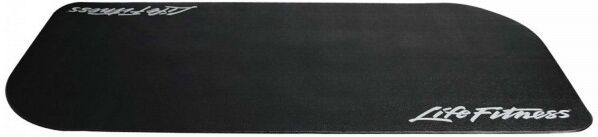
Life Fitness Equipment Mats Small - 200cm x 90cmWhether you have hard or soft flooring, the Small Equipment Mat from Life Fitness will keep your floor protected at all times. ROBUST AND STURDY Designed for use with all Life Fitness Bikes and the GX Row, its unique design features a more robust and sturdy build than other mats on the market,...75,00 £*Shipping: 4,95 £Secure redirect to the provider
-
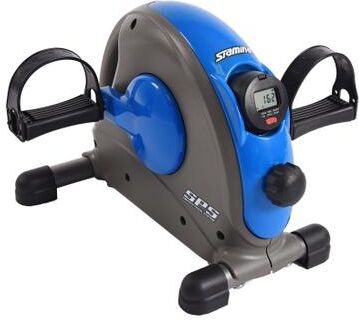
Mini Exercise Bike, Blue Home Fitness Equipment by Stamina in BlueWith the Stamina Mini Exercise Bike, you can work your lower or upper body from the comfort of home and even sitting down! Choose between 8 levels of quiet magnetic resistance to increase or decrease the intensity of your workout. The Smooth Pedal...119,99 $*Shipping: 31,98 $Secure redirect to the provider
-
Aeropilates Reformer 651 Home Fitness Equipment by Stamina in Black TanThe AeroPilates Reformer 651 includes a large AeroPilates stand to raise it off the ground, Cardio Rebounder, furry hand and foot straps and a padded, 20-inch wide platform. And like all of our reformers, the adjustable headrest, high-density...779,99 $*Shipping: 124,58 $Secure redirect to the provider
-
Stamina X Air Rower Home Fitness Equipment by Stamina in Red BlackThe Stamina X Air Rower is for the person who is ready to take their workout and fitness to the extreme. Why spend the money and fight the crowds at the gym when you can bring the same elements of a commercial rower into your home at an affordable...649,99 $*Shipping: 108,98 $Secure redirect to the provider


-
What is the difference between a conjunctional clause and an adverbial clause?
A conjunctional clause is a type of dependent clause that begins with a subordinating conjunction, such as "because," "although," or "while." It functions to connect the dependent clause to the independent clause and provide additional information about the main clause. An adverbial clause, on the other hand, is a type of dependent clause that functions as an adverb in the sentence, providing information about the time, place, manner, or condition of the action in the main clause. While both types of clauses are dependent and provide additional information, the key difference is that a conjunctional clause connects the dependent clause to the main clause, while an adverbial clause functions as an adverb in the sentence. **
-
What is the difference between a relative clause and a conjunctional clause?
A relative clause is a type of subordinate clause that provides additional information about a noun in the main clause. It typically begins with a relative pronoun such as "who," "which," or "that." A conjunctional clause, on the other hand, is a type of subordinate clause that functions as an adverb, connecting two independent clauses. It typically begins with a subordinating conjunction such as "because," "although," or "while." In summary, the main difference between the two is that a relative clause provides additional information about a noun, while a conjunctional clause connects two independent clauses. **
-
How do I recognize a relative clause, a conjunctional clause, and an interrogative clause?
A relative clause typically starts with a relative pronoun (such as who, whom, whose, which, or that) and provides more information about a noun in the main clause. A conjunctional clause, on the other hand, is introduced by a conjunction (such as and, but, or because) and connects two independent clauses. An interrogative clause is a type of clause that asks a question and is typically introduced by an interrogative pronoun (such as who, what, when, where, why, or how) or an interrogative adverb (such as how, when, or where). **
-
How can I recognize a relative clause, a conjunctional clause, and an interrogative clause?
A relative clause is a type of dependent clause that typically starts with a relative pronoun (such as who, whom, whose, which, or that) and provides additional information about a noun in the main clause. A conjunctional clause, on the other hand, is a dependent clause that functions as an adverb, adjective, or noun in a sentence and is connected to the main clause by a conjunction (such as because, although, if, when, etc.). An interrogative clause is a type of clause that asks a question and typically begins with a question word (such as who, what, where, when, why, or how) or with a helping verb followed by the subject. **

Which fitness equipment is suitable for home training?
Fitness equipment that is suitable for home training includes items such as dumbbells, resistance bands, yoga mats, and jump ropes. These items are versatile, compact, and can be used for a variety of exercises to target different muscle groups. Additionally, they are relatively affordable and do not take up a lot of space, making them ideal for home workouts. **
What do training templates for equipment-free fitness training look like?
Training templates for equipment-free fitness training typically include a variety of bodyweight exercises targeting different muscle groups. These templates often consist of a warm-up, followed by a combination of strength, cardio, and flexibility exercises. The exercises are usually organized into circuits or intervals, with specific sets and repetitions for each exercise. Additionally, the templates may include progressions and regressions for each exercise to accommodate different fitness levels. Overall, the goal of these templates is to provide a structured and effective workout that can be done without the need for any equipment. **
Top-Angebote
Products related to Conjunctional:
-
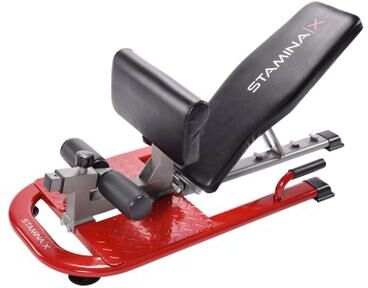
Stamina X 4-In-1 Strength Training Station Home Fitness Equipment by Stamina in Red Black"The Stamina X 4-in-1 Strength Training Station allows you to easily and efficiently sculpt and strengthen your back, chest and legs. Perform assisted squats, sit-ups, push-ups, sit-to-stands, back extensions and more. Traditional ""sissy squat..."229,99 $*Shipping: 48,58 $Secure redirect to the provider
-
"""Chateau Pey La Tour""" """Chateau Pey La Tour Reserve 2020 Red Wine - France""""""Pey La Tour 2020 is deep, concentrated and violet-tinged, leading to an intensely aromatic bouquet of dark fruits, with the emphasis on blackberry and dark cherry. Attractive, full-bodied and intense on the palate, the wine culminates in a..."25,99 $*Shipping: 0,00 $Secure redirect to the provider
-
Life Fitness Equipment Mats Small - 200cm x 90cmWhether you have hard or soft flooring, the Small Equipment Mat from Life Fitness will keep your floor protected at all times. ROBUST AND STURDY Designed for use with all Life Fitness Bikes and the GX Row, its unique design features a more robust and sturdy build than other mats on the market,...75,00 £*Shipping: 4,95 £Secure redirect to the provider
-
Mini Exercise Bike, Blue Home Fitness Equipment by Stamina in BlueWith the Stamina Mini Exercise Bike, you can work your lower or upper body from the comfort of home and even sitting down! Choose between 8 levels of quiet magnetic resistance to increase or decrease the intensity of your workout. The Smooth Pedal...119,99 $*Shipping: 31,98 $Secure redirect to the provider
-
What are relative clauses and conjunctional clauses?
Relative clauses are clauses that provide additional information about a noun in the main clause. They are introduced by relative pronouns such as "who," "which," "that," and "whom." For example, in the sentence "The book that I read is very interesting," the relative clause "that I read" provides more information about the noun "book." Conjunctional clauses, on the other hand, are clauses that are connected to the main clause by conjunctions such as "and," "but," "or," "if," and "because." They can express relationships such as addition, contrast, alternative, condition, and cause. For example, in the sentence "I will go to the park if the weather is nice," the conjunctional clause "if the weather is nice" expresses a condition for the action in the main clause. **
-
What are conjunctional clauses, relative clauses, demonstrative clauses, and infinitive clauses?
Conjunctional clauses are dependent clauses that are introduced by a conjunction, such as "because," "although," or "while." They provide additional information about the main clause in a sentence. Relative clauses are also dependent clauses that provide more information about a noun in the main clause. They are introduced by relative pronouns like "who," "which," or "that." Demonstrative clauses are dependent clauses that function as adjectives and provide more information about a noun in the main clause. They are introduced by demonstrative pronouns like "this," "that," "these," or "those." Infinitive clauses are dependent clauses that are formed with an infinitive verb (to + base form of the verb). They can function as nouns, adjectives, or adverbs in a sentence. **
-
What is the difference between a conjunctional clause and an adverbial clause?
A conjunctional clause is a type of dependent clause that begins with a subordinating conjunction, such as "because," "although," or "while." It functions to connect the dependent clause to the independent clause and provide additional information about the main clause. An adverbial clause, on the other hand, is a type of dependent clause that functions as an adverb in the sentence, providing information about the time, place, manner, or condition of the action in the main clause. While both types of clauses are dependent and provide additional information, the key difference is that a conjunctional clause connects the dependent clause to the main clause, while an adverbial clause functions as an adverb in the sentence. **
-
What is the difference between a relative clause and a conjunctional clause?
A relative clause is a type of subordinate clause that provides additional information about a noun in the main clause. It typically begins with a relative pronoun such as "who," "which," or "that." A conjunctional clause, on the other hand, is a type of subordinate clause that functions as an adverb, connecting two independent clauses. It typically begins with a subordinating conjunction such as "because," "although," or "while." In summary, the main difference between the two is that a relative clause provides additional information about a noun, while a conjunctional clause connects two independent clauses. **
Similar search terms for Conjunctional
-
Aeropilates Reformer 651 Home Fitness Equipment by Stamina in Black TanThe AeroPilates Reformer 651 includes a large AeroPilates stand to raise it off the ground, Cardio Rebounder, furry hand and foot straps and a padded, 20-inch wide platform. And like all of our reformers, the adjustable headrest, high-density...779,99 $*Shipping: 124,58 $Secure redirect to the provider
-
Stamina X Air Rower Home Fitness Equipment by Stamina in Red BlackThe Stamina X Air Rower is for the person who is ready to take their workout and fitness to the extreme. Why spend the money and fight the crowds at the gym when you can bring the same elements of a commercial rower into your home at an affordable...649,99 $*Shipping: 108,98 $Secure redirect to the provider
-
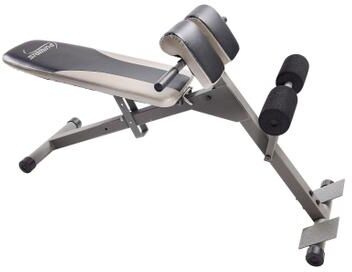
Ab/Hyperextension Bench Pro Home Fitness Equipment by Stamina in Black SilverTarget your core, abs, and lower back with the Stamina Ab/Hyperextension Bench Pro. Work your abs in 4 crunch positions ranging from flat to a 30 degree decline. The pull of a pin quickly and easily adjusts the angle of the bench to increase or...249,99 $*Shipping: 47,98 $Secure redirect to the provider
-
VEVOR Fitness Equipment Black 83cm W X 11.5cm D X 17cm HLat Pull Down Bar Set:Unlock your full fitness potential with our state-of-the-art pulldown bar set, designed to elevate your home or gym workout experience. Engineered for durability and comfort, these versatile accessories are perfect for enhancing strength training exercises, particularly targeting your back, triceps, and biceps. Solid Steel Bar: Crafted with a thick protective layer and solid steel plate, our lat pulldown attachments ensure prolonged use. The lat pull down bar set features a reliable thickness ranging from 0.7"/17mm at its thickest point to 0.6"/14mm at its thinnest. So there's no need to worry about bending or cracking. It's sturdy enough to withstand the toughest training sessions.. Ergonomic Round Rod Grip: Designed with a full-welding process and non-slip coating, the round rod grip reduces pressure on your fingers and joints, making your exercises more effective and comfortable. For optimal safety and performance, it's recommended to avoid wearing rings or other accessories while exercising.. Extra Added Quality Carabiners: The included carabiners are 4 inches longer, allowing for easy connection to any fitness equipment. Suitable for most home and fitness venues. Simply leave one in the handle hole for easy access during your next workout session.. Easily Build an Ideal Body: Our cable machine attachment set is designed to effectively strengthen your back muscles, triceps, and biceps, with a traction capacity of up to 1212lbs/550kg. Achieve your fitness goals and build an ideal body with this powerful and reliable accessory.. Pull-Down Attachment Set: Our cable machine attachment set has 7 models, No. 1, 2, and 3 are narrow range handles, mainly training the trapezius and rhomboids. No. 4, 5, and 6 are medium-range handles, and No. 7 is a wide-range handle that mainly exercises the teres major, teres minor, and latissimus dorsi muscles. Meets your needs at home or in the gym and easily connects to any cable machine.. Brand Name: VEVOR.57,99 £*Shipping: 4,99 £Secure redirect to the provider
-
How do I recognize a relative clause, a conjunctional clause, and an interrogative clause?
A relative clause typically starts with a relative pronoun (such as who, whom, whose, which, or that) and provides more information about a noun in the main clause. A conjunctional clause, on the other hand, is introduced by a conjunction (such as and, but, or because) and connects two independent clauses. An interrogative clause is a type of clause that asks a question and is typically introduced by an interrogative pronoun (such as who, what, when, where, why, or how) or an interrogative adverb (such as how, when, or where). **
-
How can I recognize a relative clause, a conjunctional clause, and an interrogative clause?
A relative clause is a type of dependent clause that typically starts with a relative pronoun (such as who, whom, whose, which, or that) and provides additional information about a noun in the main clause. A conjunctional clause, on the other hand, is a dependent clause that functions as an adverb, adjective, or noun in a sentence and is connected to the main clause by a conjunction (such as because, although, if, when, etc.). An interrogative clause is a type of clause that asks a question and typically begins with a question word (such as who, what, where, when, why, or how) or with a helping verb followed by the subject. **
-
Which fitness equipment is suitable for home training?
Fitness equipment that is suitable for home training includes items such as dumbbells, resistance bands, yoga mats, and jump ropes. These items are versatile, compact, and can be used for a variety of exercises to target different muscle groups. Additionally, they are relatively affordable and do not take up a lot of space, making them ideal for home workouts. **
-
What do training templates for equipment-free fitness training look like?
Training templates for equipment-free fitness training typically include a variety of bodyweight exercises targeting different muscle groups. These templates often consist of a warm-up, followed by a combination of strength, cardio, and flexibility exercises. The exercises are usually organized into circuits or intervals, with specific sets and repetitions for each exercise. Additionally, the templates may include progressions and regressions for each exercise to accommodate different fitness levels. Overall, the goal of these templates is to provide a structured and effective workout that can be done without the need for any equipment. **
* All prices are inclusive of VAT and, if applicable, plus shipping costs. The offer information is based on the details provided by the respective shop and is updated through automated processes. Real-time updates do not occur, so deviations can occur in individual cases. ** Note: Parts of this content were created by AI.